
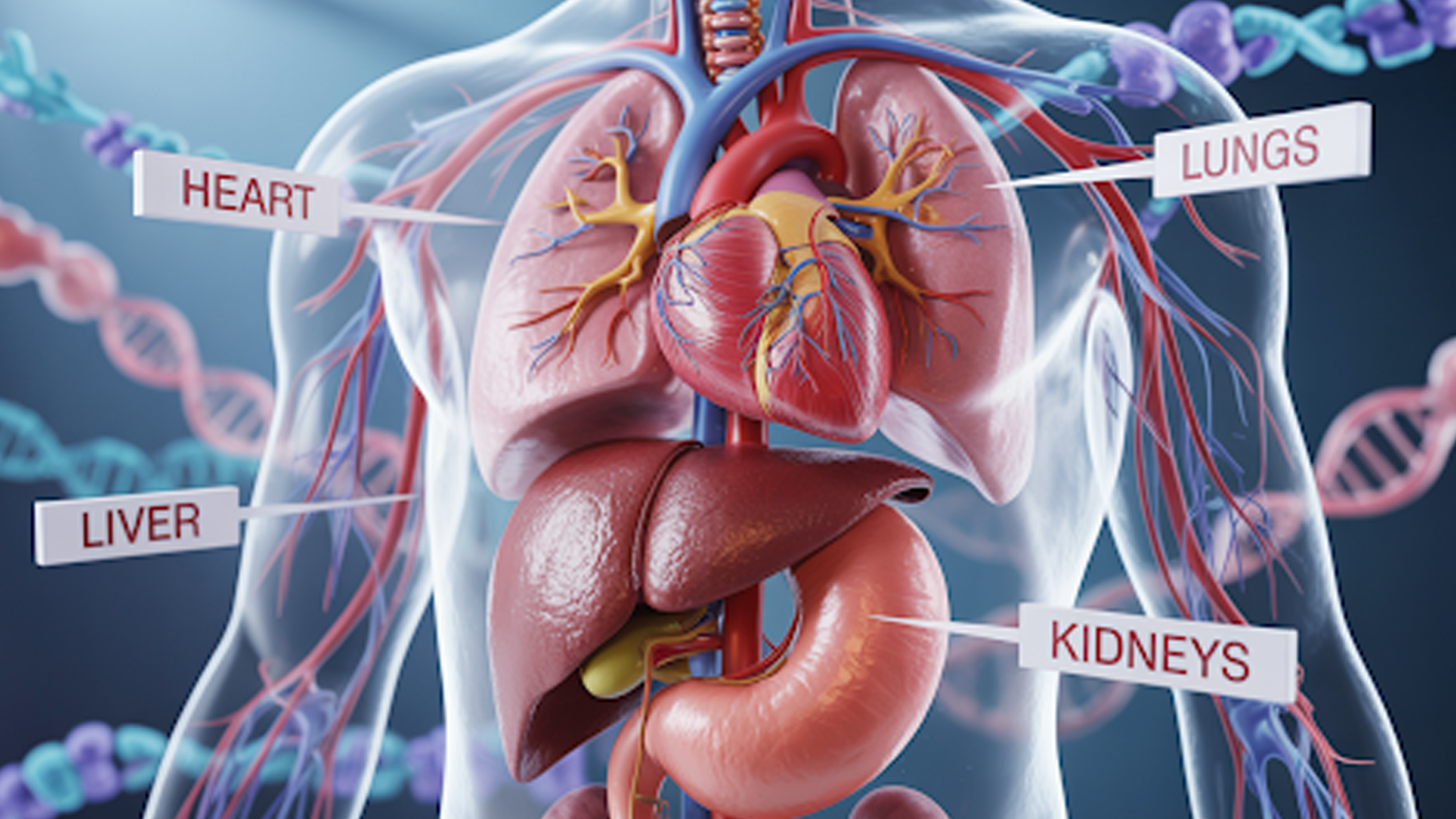
In the healthcare industry, teaching students about complex areas such as anatomy, physiology, pharmacology, or pathophysiology requires precision. Explaining treatments in intricate fields like neuroanatomy, cardiovascular physiology, or cellular signaling can be especially challenging, particularly for novices with little prior medical knowledge.
Even a single misconception can lead to serious consequences for patient outcomes. When the information is so critical and complex, relying solely on lengthy textbooks or online blogs is not enough. Visuals that accurately demonstrate how systems function are essential for understanding and memorization.
Many hospitals have adopted these visual tools, and at animated-videos.local/, clients often ask us to create 3D medical animation videos. Vibrant colors, clear multi-angle movements, and interactive elements make it easier for viewers to quickly grasp complex concepts.
Why Visuals Matter in Medicine
The human brain processes visuals 60,000 times faster than text, according to research from the University of Minnesota. When dealing with something as dense as pharmacokinetics or surgical technique, a visual shortcut saves both time and mental strain. It also bridges literacy gaps.
A patient who struggles to follow a written discharge summary might still grasp a 3D animated explanation of wound care.
In clinical education, visuals are not just nice to have. They are essential. Medical schools already use simulation labs and mannequins. 3D animation extends that learning beyond the classroom, letting students replay processes such as synaptic transmission or DNA replication until they stick.
Where 3D Medical Animation Is Used Today
3D animation now supports multiple touchpoints in healthcare and medical research:
- Patient education: Explaining chronic diseases, surgical prep, or drug interactions.
- Medical training: Teaching anatomy, pathology, and procedure steps.
- Pharmaceutical marketing: Demonstrating drug mechanisms to both physicians and patients.
- Device promotion: Showing how implants, stents, or prosthetics actually function.
- Research presentations: Visualizing complex molecular structures for conferences and publications.
These are not fringe use cases. The global medical animation market has grown past $300 million and is projected to double in the next few years. Growth is driven by demand from both healthcare providers and biotech companies.
What Makes 3D Animation Different From Other Formats
It helps to draw a line between 3D animation and formats such as whiteboard videos or gifs animation. Whiteboard style works for simple explainer content. Motion graphics can carry statistics or basic flows.
But when the goal is to demonstrate how a pacemaker regulates heart rhythm or how a monoclonal antibody targets cancer cells, you need precision. 3D delivers depth, movement, and accuracy that flat graphics cannot.
The Services animated-videos.local/ Provides for Medical Projects
We know medical teams need both clarity and trust. At animated-videos.local/, we offer multiple animation and video services that support different needs across the medical spectrum. Here is a quick overview of how each service can fit medical communication:
| Service | How It Supports Medical Use |
| 3D Animation | Demonstrates anatomy, surgical procedures, or drug mechanisms in accurate detail. |
| Motion Graphics | Simplifies medical data, clinical trial outcomes, and patient statistics into clean visuals. |
| Whiteboard Animation | Breaks down patient instructions or public health information into simple, memorable sketches. |
| Explainer Videos | Provides clear overviews of conditions, therapies, or new devices for patients and professionals. |
| Logo Animation | Builds recognition for hospitals, clinics, or biotech startups in presentations and campaigns. |
| Post Production | Refines existing medical footage, adds annotations, and polishes conference material. |
| Video Ads | Supports pharmaceutical or device marketing with compliant and engaging campaigns. |
| Video Editing | Prepares surgical recordings, lectures, or lab sessions for professional or academic use. |
| Video Animation | Flexible option for educational or promotional medical content. |
| Video Editing Services | Handles bulk editing needs for hospitals, universities, or research groups. |
| YouTube Video Production Services | Helps medical organizations create consistent, professional educational series online. |
Each of these services links back to a core need: making complex information more accessible.
Why Accuracy Matters in Medical Animation
Unlike commercial or entertainment animation, medical work cannot cut corners. Misrepresenting anatomy, omitting a process, or exaggerating an effect risks misinformation. That is why 3D medical animation often requires input from doctors, researchers, and subject experts.
Animators need access to scientific publications, radiology scans, and lab data. The balance lies in making visuals scientifically correct but still easy for a layperson to follow.
What Does 3D Medical Animation Cost
Cost of 3D animation varies by project scope, complexity, and duration. A simple 60-second animated overview might cost far less than a detailed simulation of cardiac surgery.
Variables include number of models, level of realism, and whether narration or interactive elements are needed. While prices differ across studios, what matters most is value.
A well-produced 3D animation can serve multiple purposes, from patient education to investor relations, making it more cost-effective in the long run.
The Future of 3D Animation in Medicine
The future of 3D animation lies in integration with virtual reality and augmented reality. Medical schools already experiment with VR cadavers.
Surgeons test AR overlays during operations. As computing power grows, real-time rendering will make animations even more accessible.
This will also change patient interaction. Imagine consultations where a doctor projects a 3D model of a tumor, then rotates it to explain surgery options. The technology is moving fast, and medical teams that adapt will stay ahead.
FAQs
[sp_easyaccordion id=”7578″]
Final Word
3D medical animation turns complex medical knowledge into visuals that are easy to understand. It helps students, patients, and practitioners grasp anatomy, physiology, pharmacology, and pathophysiology quickly and accurately.
By showing processes in motion from multiple angles, it reduces cognitive load and improves retention. Visual explanations make learning surgical procedures, cellular mechanisms, or drug actions far more effective than text alone.
animated-videos.local/ creates high-quality 3D medical animations that bring difficult concepts to life. Hospitals, universities, and research teams use our videos to educate, train, and communicate with clarity and precision.