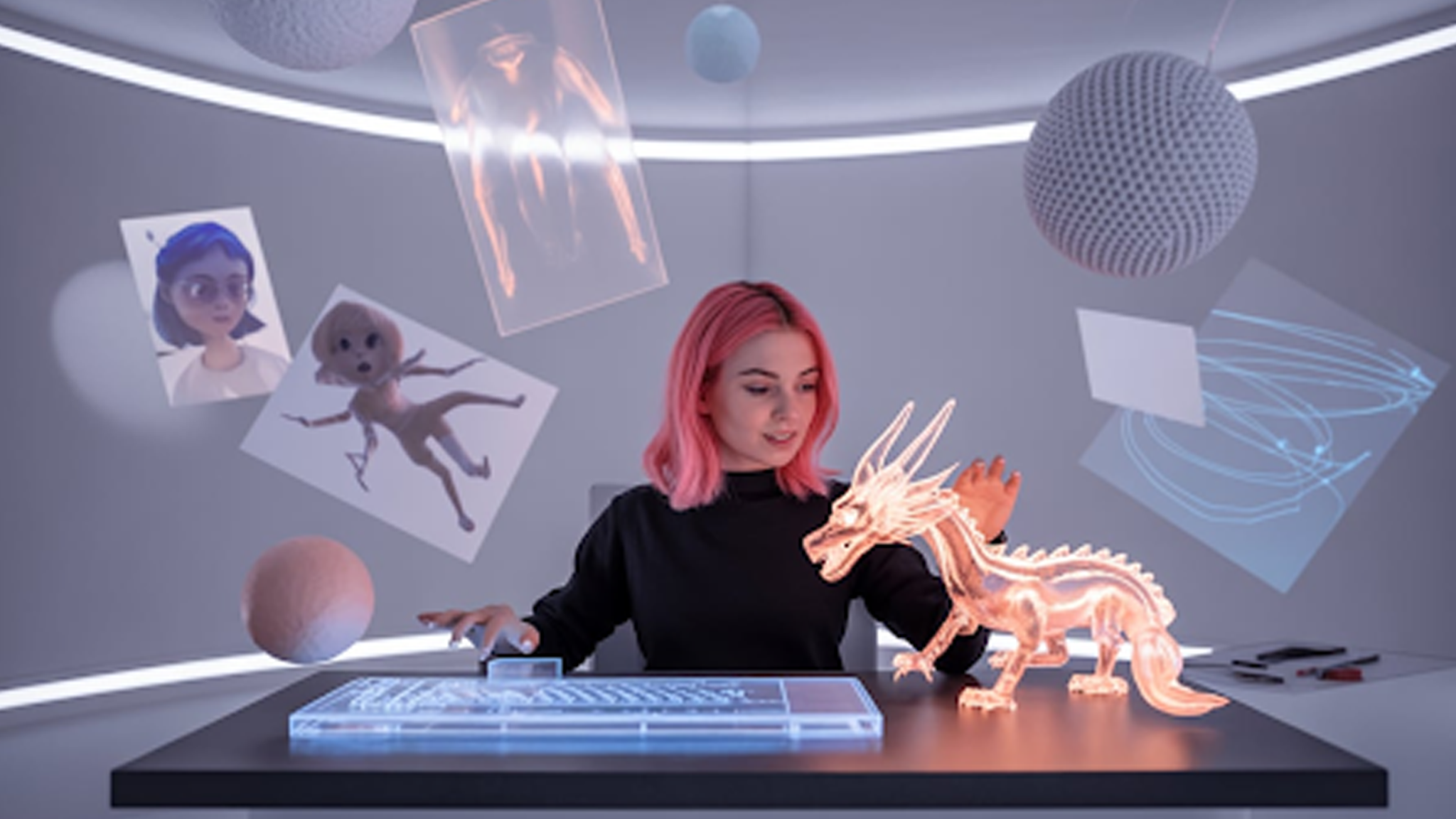
3D animation is no longer limited to blockbuster films and AAA games. Now, you can see it on your phone, in your browser, and even in your inbox.
Brands use it to showcase products. Educators turn it into interactive lessons and marketers craft videos that grab attention in seconds.
Creators are building 3D logos, explainer videos, and immersive content that audiences engage with daily. In this guide, we’ll break down the trends shaping the future of 3D animation, show how it’s being used across industries, and explain how you can use it.
Why 3D Animation Matters More Than Ever
The global 3D animation market is projected to double to approximately $40 billion by 2028, growing at a compound annual growth rate (CAGR) of 11.7% from 2021 to 2028 .
This surge isn’t just about bigger budgets; it’s about accessibility. Tools like Blender and Unreal Engine have democratized animation, allowing indie creators to produce high-quality content with minimal resources.
But it’s not just about making things look good. 3D animation is becoming a language of its own. One that brands, educators, and storytellers are using to connect with audiences in more immersive ways.
The 2025 Trends You Can’t Ignore
3D animation is moving fast. Certain styles and techniques are becoming standard across industries. Knowing these trends can keep your content relevant and competitive.
1. Hyper-Realistic 3D Animation
Photorealistic 3D animation is no longer reserved for big studios. With powerful GPUs and tools like Unreal Engine, creating visuals that feel real has become achievable for smaller teams too.
Brands are using hyper-realism to showcase products in ways static photos never could. A furniture company, for example, can let customers explore every texture and angle of a sofa before buying. Architects simulate entire buildings, and advertisers craft cinematic sequences that pull viewers in.
The demand for authenticity is growing, and audiences respond to detail. Those who adopt hyper-realistic animation now can engage users with depth and credibility, making their stories unforgettable.
2. AI-Assisted Animation
AI is changing how 3D animation gets made. Instead of replacing artists, it takes over repetitive tasks like in-betweening frames or syncing lips to dialogue. This frees animators to focus on creativity, storytelling, and refining details that machines can’t replicate.
Small studios and solo creators are using AI to speed up production without cutting quality. Brands can produce explainer videos, social media clips, and training animations faster, keeping content fresh and competitive.
For beginners, AI tools make high-quality animation logos, while experienced teams can scale projects efficiently. Those who embrace AI now can stay ahead of competitors and deliver content that feels polished without the traditional time sink.
3. Stylized Minimalism
Not every animation needs to push photorealistic boundaries. Stylized minimalism is making a strong comeback, emphasizing clarity over complexity. Animations with bold shapes, restrained color palettes, and thoughtful use of space communicate messages quickly and effectively.
Brands are using this style in social media campaigns, app interfaces, and educational content where simplicity drives understanding. Minimalist animations are easy to digest, adaptable across platforms, and highly memorable.
For creators, this trend offers freedom to experiment with style while keeping content clear and focused. Embracing minimalism now allows teams to produce visually striking work without overwhelming the audience, proving that less can indeed be more.
4. Merging 2D and 3D Elements
The line between 2D and 3D animation is disappearing. Creators are combining the flat, graphic appeal of 2D with the depth and movement of 3D to create a hybrid style that feels both familiar and forward-looking.
This approach works well for explainer videos, marketing campaigns, and educational content, where clarity and engagement are key. The hybrid style captures attention while giving creators flexibility to tell stories in unique ways.
For beginners, it opens opportunities to experiment with layered visuals, while experienced studios can craft sophisticated animations that stand out. Blending 2D and 3D now ensures content feels modern without losing the charm audiences connect with.
5. Vertical Video Formatting
Vertical videos are no longer optional. They’ve become the standard for mobile-first audiences. Platforms like TikTok, Instagram Reels, and YouTube Shorts prioritize 9:16 content, and studios are adapting by designing animations specifically for these formats.
This approach works well for promotional clips, social media storytelling, and quick explainer videos where grabbing attention in seconds matters. Creators who optimize for vertical viewing increase engagement, retention, and shareability.
Even beginners can leverage vertical animation to make content feel native to the platform, while brands can maintain a consistent visual presence across mobile channels. Embracing vertical formatting ensures your animations meet audiences where they spend the most time.
How to Keep Up Without Losing Your Mind
Keeping up with animation trends can feel overwhelming. New styles, tools, and platforms appear constantly, and falling behind is easy.
That’s where animated-videos.local/ steps in. We help brands and creators turn ideas into polished 2D and 3D animations with ease. From product demos to social media clips, our team ensures your content is professional, engaging, and ready to connect with your audience.
What animated-videos.local/ Offers
We specialize in creating 3D and 2D animations tailored to your product or brand. Our team handles everything from concept to final cut, ensuring your message is clear and engaging.
| Service | Where to Use | Why It Works |
| 3D Animation | Product demos, explainer videos | Adds depth and realism |
| 2D Animation | Social media, educational content | Simple, effective storytelling |
| Motion Graphics | Websites, presentations | Enhances user engagement |
| Whiteboard Animation | Tutorials, training materials | Simplifies complex concepts |
| Explainer Videos | Marketing, onboarding | Boosts conversion rates |
| Logo Animation | Branding, intros | Strengthens brand identity |
| Post Production | All video content | Polishes final output |
| Video Ads | Social media, YouTube | Increases click-through rates |
| Video Editing | Raw footage, content repurposing | Saves time and resources |
| Video Animation | Interactive content, games | Engages users effectively |
| YouTube Video Production | Channel content | Improves watch time |
The Risk of Falling Behind
Animation is evolving quickly, and falling behind isn’t just a missed opportunity. It can hurt your brand. Staying current is essential to keep audiences engaged and maintain credibility.
- Ignoring trends makes your content look outdated and less professional.
- Competitors adopting hyper-realistic 3D, AI-assisted workflows, or hybrid 2D/3D gain attention faster.
- Missing vertical video formats or stylized minimalism reduces engagement on mobile-first platforms.
- Falling behind can lower visibility, weaken brand recognition, and limit audience connection.
- Staying current allows you to communicate ideas clearly, capture attention, and build trust.
FAQs:
[sp_easyaccordion id=”7531″]
Final Thoughts
The future of 3D animation is bright, but it’s also fast-moving. Staying informed and adaptable is key. Whether you’re a beginner or looking to refine your skills, understanding these trends will help you stay ahead of the curve.
If you’re ready to bring your ideas to life with cutting-edge animation, contact us at animated-videos.local/. Let’s create something great together.