
You’ve seen real characters in movies and dramas. You’ve also seen animated or stylized characters on channels. Now film, TV, and advertising have taken a step further with virtual production. It captures real-world actions and places them into a fully created digital world.
The best part is how it simulates reality and engages viewers. You see it in game trailers, web series, and big project campaigns. One reason studios are adopting it is clear: virtual production saves time, cuts costs, and removes creative limits.
What Is Virtual Production
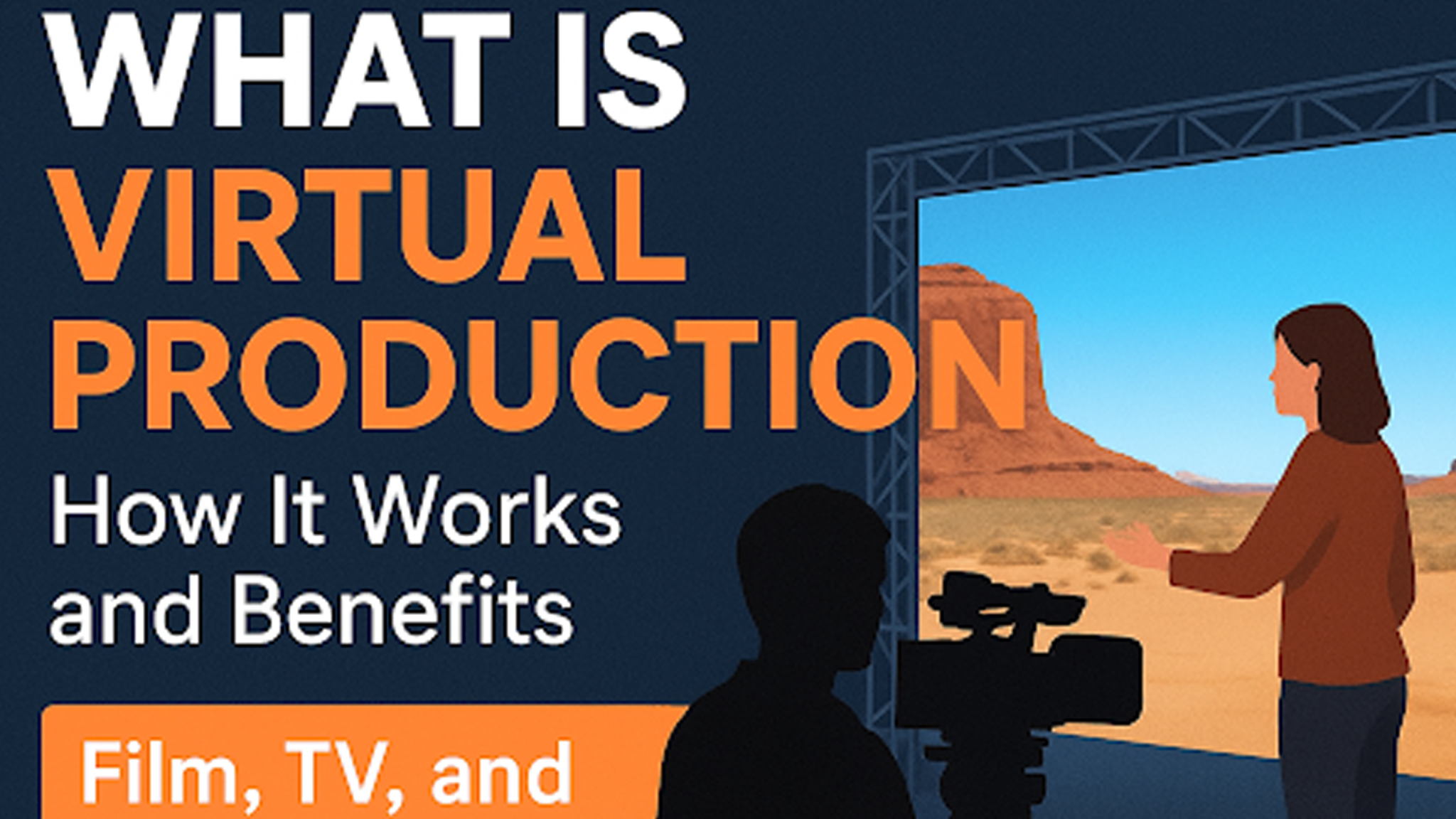
Virtual production is where classic “lights, camera, action” filmmaking meets animation technology. Cameras, actors, and real sets mix with digital worlds, either projected on huge LED walls or created in real time with rendering engines.
The cool part is you don’t have to wait weeks to see how it looks. Directors can tweak lights, swap backgrounds, or add effects while the camera is rolling. Actors see the world exactly as it will appear on screen, which helps them give better performances.
That instant feedback cuts down on expensive post-production fixes and gives the team creative control right there on set. The result is faster shoots, smarter choices, and scenes that feel alive from the very first take.
How Virtual Production Works
Virtual production relies on three core technologies. LED walls and virtual sets create immersive backgrounds. Real-time rendering engines like Unreal Engine and Unity process visuals instantly. Motion capture and camera tracking synchronize actor movements with digital assets.
Integration of these elements produces realistic scenes without requiring massive location shoots. For businesses, 3D visualization can extend beyond film to product demos, marketing videos, and interactive campaigns.
Benefits of Virtual Production
Virtual production isn’t just a cool tech trick. It changes how filmmakers plan, shoot, and deliver content. The information you gain on set is immediate. Decisions about lighting, backgrounds, and effects happen in real time. This knowledge saves time and keeps the creative energy flowing.
Here are the main benefits:
- Creative flexibility: Change a scene, a sky, or a full environment in minutes. Actors perform with real light and scenery, which brings out authentic performances.
- Cost efficiency: Less travel, fewer location shoots, and faster workflows reduce budgets without sacrificing quality.
- Faster production timelines: Real-time feedback cuts weeks off post-production. Teams can see the final look as they film.
- Better collaboration: Directors, VFX artists, and actors all work in the same space with the same view, avoiding endless revisions.
For businesses wanting to use animation or virtual production in marketing, this approach is a goldmine. Combining live-action with animated elements helps brands tell stories clearly and memorably.
animated-videos.local/ offers expert guidance and full production support, turning complex ideas into engaging content that connects with your audience.
Examples of Virtual Production in Action
Virtual production has changed the way Hollywood makes movies. The Mandalorian used massive LED volumes to bring alien landscapes to life right on set. Marvel films rely on real-time tools to blend live stunts with complex digital environments, creating action sequences that feel seamless.
Advertising has found its place too. Brands can tell stories that weren’t possible with traditional filming. Educational programs and corporate training also benefit. Using abstract animation, interactive scenarios, and digital environments keeps learners and employees engaged while improving information retention.
Virtual Production vs. Traditional Production
Virtual production works differently from traditional filmmaking, and the differences affect workflow, budget, and crew roles. Knowing these contrasts helps studios and creators make smarter choices about time, cost, and creative control.
| Aspect | Virtual Production | Traditional Production |
| Workflow | Real-time rendering on set, LED walls, live VFX adjustments | Shoot first, add VFX later in post-production |
| Budget & Time | Higher upfront tech costs, saves on travel, location fees, and post-production time | Lower initial costs, but longer schedules due to post-production and reshoots |
| Crew Roles | Includes real-time artists, game-engine programmers, and LED technicians | Standard cinematography, lighting, set design, and post-production teams |
| Set Design | Combines physical and digital sets; flexible and modifiable instantly | Fully physical sets; changes require rebuilds or post-production effects |
| Creative Control | Directors and actors see final look live; decisions happen on set | Final visuals often unknown until post-production, limiting on-set decisions |
Tools and Software in Virtual Production
Key software includes Unreal Engine and Unity for real-time rendering. LED volume stages serve as dynamic, interactive backdrops. Motion capture systems track performance, while virtual cameras allow precise framing.
For businesses exploring visualization beyond traditional media, 3D rendering enables product demos, marketing campaigns, and immersive presentations that feel cinematic.
Challenges of Virtual Production
Virtual production offers huge creative benefits, but it comes with real challenges. Setting up and running these systems takes planning, skill, and investment.
- High upfront costs for LED volumes, motion capture rigs, and real-time rendering hardware
- Need for specialized technical expertise in both filmmaking and game-engine technology
- Limited availability of LED stages, requiring advance booking or travel
- Complex system integration, where cameras, software, and servers must sync perfectly
- Time-consuming rehearsals to ensure all virtual and physical elements align
- Dependence on powerful computing resources for real-time rendering
- Steep learning curve for crew unfamiliar with virtual production workflows
FAQs
[sp_easyaccordion id=”7628″]
Conclusion
Virtual production transforms how we create visual content. It gives filmmakers, brands, and educators tools for faster, more flexible, and more creative storytelling.
For businesses aiming to engage audiences with animated or hybrid content, animated-videos.local/ provides expertise in combining virtual production with animation. Exploring these tools now positions creators and brands for the future of media.